

Practical Guide to Safety, Accessibility, and Legal Compliance
In Portugal, elevator signage is a mandatory element to ensure safety, universal accessibility, and compliance with current legislation. More than just informing, correct signage protects users, prevents accidents, and avoids legal non-compliance in public and private buildings.
This guide presents the essential types of signage, where they should be applied, and which Portuguese standards must be followed.
1. What is Elevator Signage?
Elevator signage refers to the set of:
- symbols
- pictograms
- texts
- colors
- tactile and audible warnings
used to guide, alert, and inform users, including people with reduced mobility or sensory impairment.
2. Legal Framework in Portugal
Elevator signage must comply with, among others, the following references:
- IPQ – Portuguese technical standards
- NP EN 81 – safety rules for the construction and installation of elevators
- Decree-Law no. 163/2006 – accessibility to public buildings and spaces
- European directives on safety and accessibility
📌 Non-compliance can result in fines, inspection failures, and civil liability.
3. Identification and Orientation Signage
This signage allows the user to quickly understand where they are and where they are going.
Mandatory or recommended elements:
- Floor numbering (interior and exterior)
- Up and down indication
- Elevator identification (e.g., Elevator 1, Social, Service)
- Maximum capacity (number of people and load in kg)
- Name or logo of the entity responsible for maintenance
🎯 Best practices:
- Legible letters
- High color contrast
- Visible and consistent positioning
4. Accessibility Signage (Mandatory)
Accessibility is a legal requirement in Portugal, especially in public buildings and those for collective use.
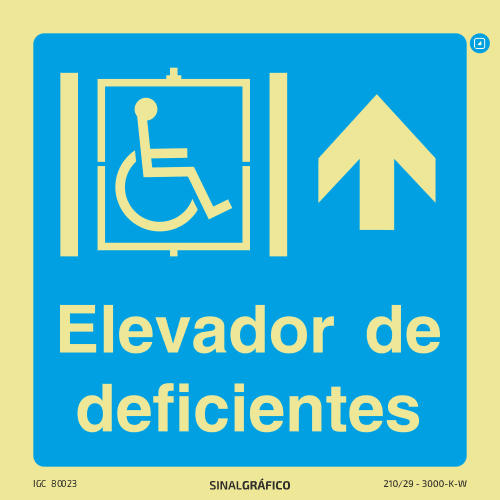
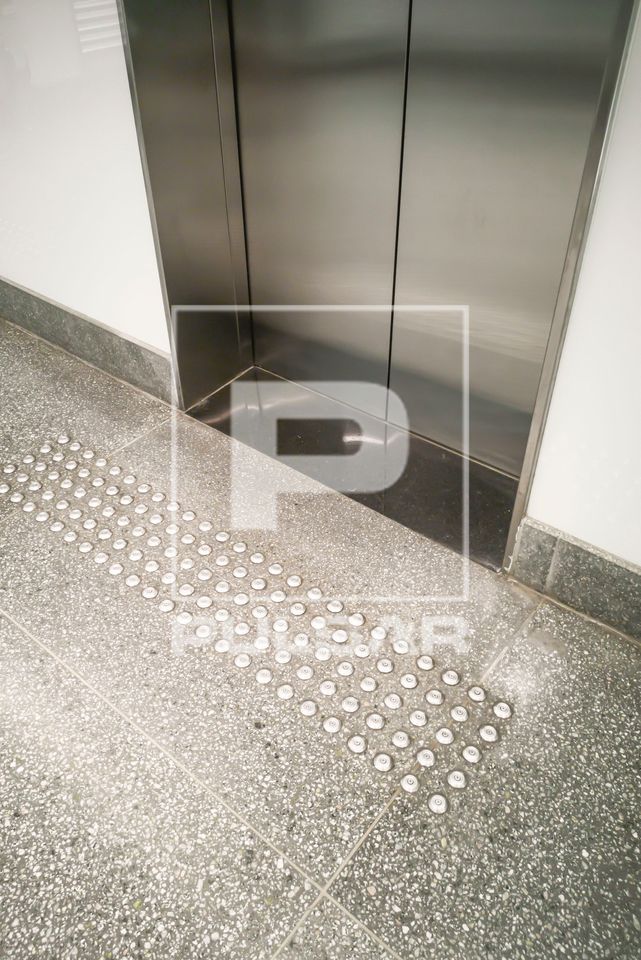
Includes mandatorily:
- Buttons with Braille and raised text
- Audible floor arrival alerts
- International accessibility symbol
- Tactile guiding floor to the elevator
👁️🗨️ These elements ensure autonomy for visually impaired people, the elderly, and users with reduced mobility.
5. Safety Signage
Aims to prevent risky behavior and inform about usage limits.
Essential examples:
- “Do not exceed maximum load”
- “Do not use in case of fire”
- Warnings about transporting children
- Warning not to force the doors
🎨 Standardized color codes:
- Red → prohibition / emergency
- Yellow → alert
- Green → safe information
6. Emergency Signage
In critical situations, information must be clear, simple, and immediate.

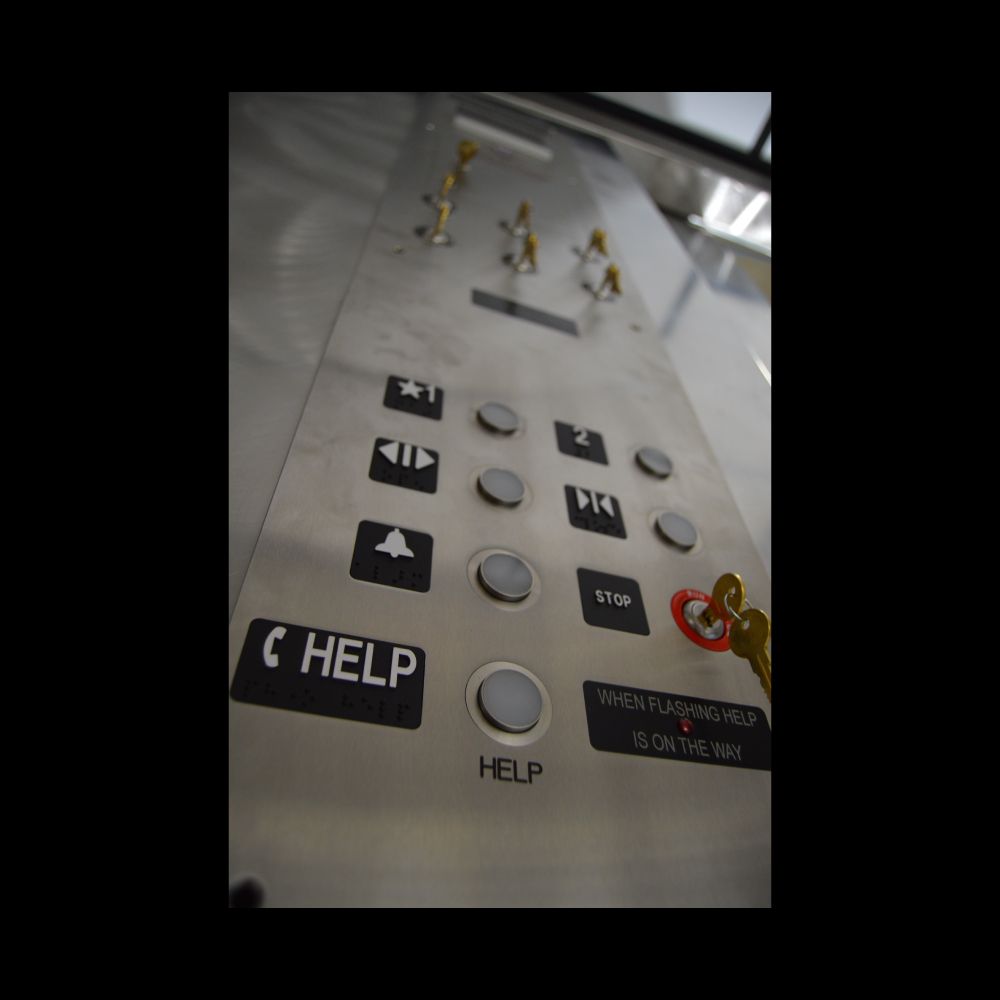
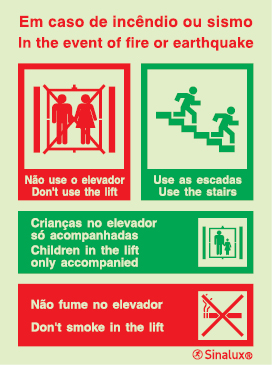
Essential elements:
- Well-identified alarm button
- Intercom or emergency phone
- Clear visual instructions (what to do in case of breakdown)
- Functional emergency lighting
🚨 The language must be direct and understandable for any user.
7. Materials and Maintenance
Signage must be durable and resistant to intensive use.
Recommended materials:
- Anodized aluminum
- Technical acrylic
- High-resistance vinyl
- Embossed or laser engraving
🔧 Periodic maintenance is essential to ensure legibility and continuous compliance.
Conclusion
In Portugal, essential elevator signage is a legal, functional, and social requirement. Good signage:
✔️ improves safety
✔️ promotes inclusion
✔️ facilitates inspections
✔️ enhances the building
✔️ demonstrates responsibility
Investing in appropriate signage is investing in quality, compliance, and user experience.


0 comments